

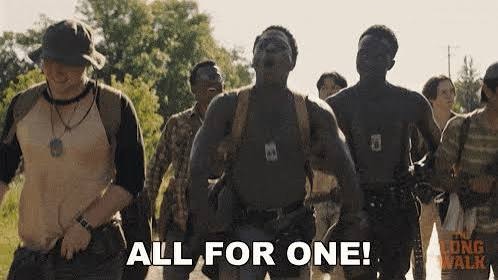
With the recent release of The Long Walk (2025) I wondered, young people in a totalitarian government’s televised competition where only one contestant can survive, where have I seen that before?
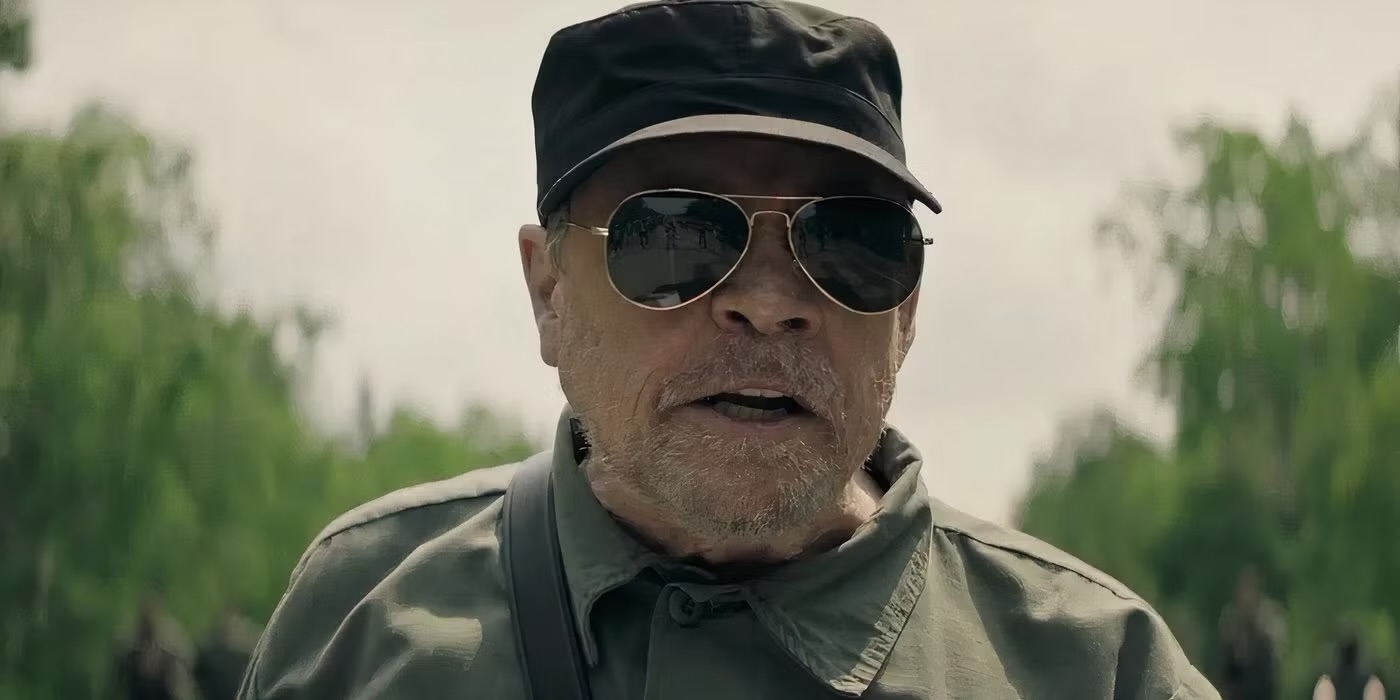
The Long Walk, a novel written by Stephen King and published in 1979. describes a dystopian survival thriller. Fifty boys in an annual televised walking marathon must maintain a pace of three miles an hour, non-stop. After three warnings, the boy is executed. Whomever lasts the longest wins a large cash prize and a wish fulfillment.
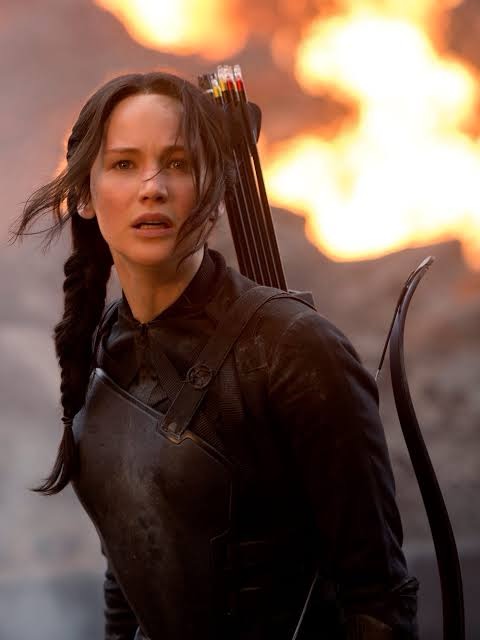
My mind wandered to The Hunger Games, a trilogy written by Suzanne Collins, first published in 2008. Every year in Panem, two children, one boy and one girl, from the twelve districts are selected by lottery to participate in a televised death match called The Hunger Games.
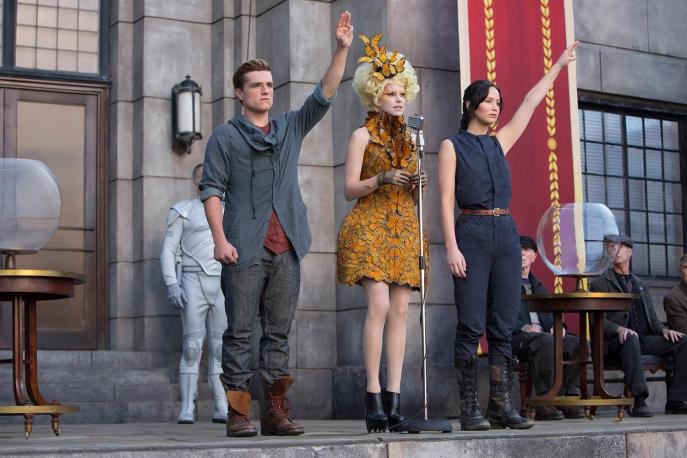
As much as the world building is rich enough in detail for the reader/viewer to meld into, I couldn’t help but wonder if she was inspired at all by Koushun Takami’s Battle Royale released in 1999, and subsequent film in 2000.
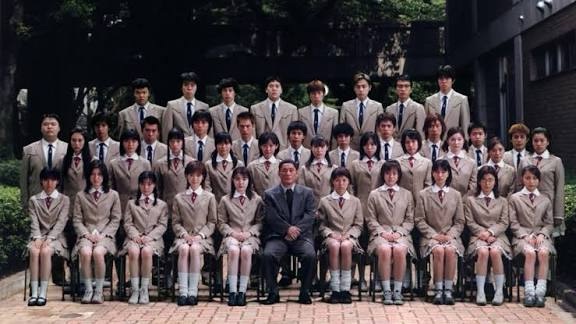
Koushun Takami had a vivid dream about a school teacher maniacally grinning while informing his class that they were to kill each other.and so he decided to build upon it. He drew inspiration from pro-wrestling storylines, where the weaker wrestlers start forming coalitions to rid the stronger ones during their battle royale. For his world-building, he was inspired by his memories of his youth during 1960’s Japan, where large groups of revolutionaries were dissenting against police brutality. He was also inspired by …The Long Walk by Stephen King, published in 1979.
A bit of a full circle moment for me, so let me share with you my findings regarding these games of death across timelines and cultures.
Authoritarian Control & Spectacle
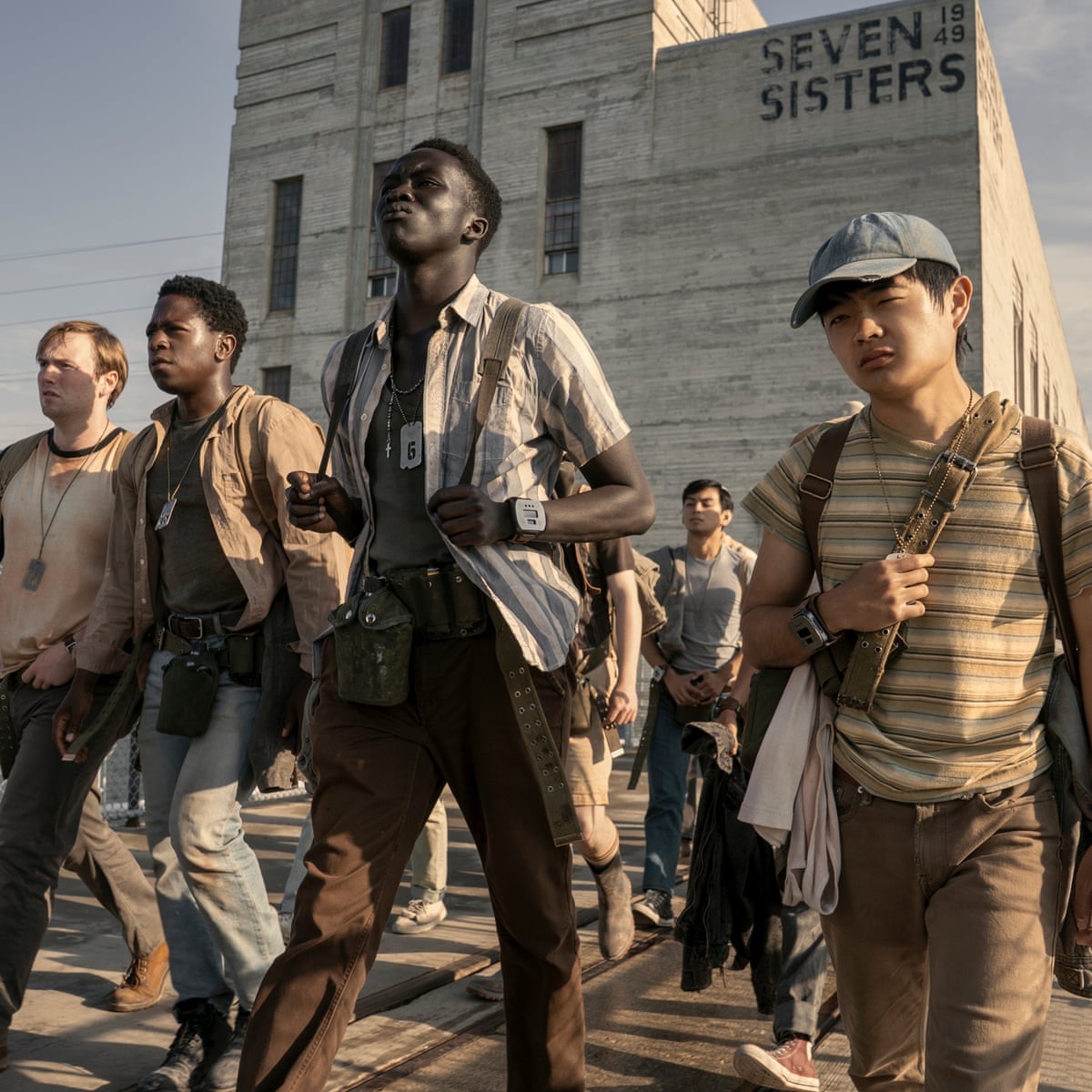
- The Long Walk depicts a dystopian America where teenage boys are foreced/coerced into a deadly endurance contest, symbolising how regimes turn rebellion into spectacle.
- The Hunger Games shows Panem’s capital using televised death matches to enforce division and control.
- Battle Royale dramatises Japan’s authoritarian government forcing students to kill each other, reflecting anxieties about youth delinquency and social breakdown.
Loss of Innocence and Youth as Sacrifice
- In The Long Walk, the boys are stripped of their childhood, forced into adulthood through trauma and survival.
- The Hunger Games highlighted children of inequality with tributes from the poorer districts disproportionately sacrificed.
- Battle Royale portrays classmates turning on each other showing how innocence collapses under systemic violence.
Violence as Entertainment
- Crowds cheer as walkers collapse in The Long Walk, showing that they are desentitised to suffering.
- The capital consumes the hunger games as reality television, while reveling in the tributes’ pain.
- Battle Royale shocked audiences with its graphic depiction of classmates killing each other, critiquing voyeurism and sensationalism.
Isolation and Proximity
- The walkers are surrounded by their peers, but they are alone with the knowledge that only one of them can survive.
- Katniss forms alliances, but is aware that betrayal is inevitable.
- In Battle Royale, friendships collapse under the paranoia of classmates forced to see each other as enemies.

Cultural Contexts
- The Long Walk: Post-Vietnam anxieties about youth sacrificed for hollow promises.
- The Hunger Games: Critiques reality television culture and econimc inequality in early 21st century America.
- Battle Royale channels Japan’s fear of social decay and generational conflict at the turn of the millenium.
A trilogy of cultural anxieties, together they show how different societies use the same narrative device – youth forced into deadly games – to critique their own political and cultural realities: youth, violence and the spectacle of control.
Which young adult dystopian nightmare do you enjoy? I mean, let me know if you want to!
 Ronin Cinema