

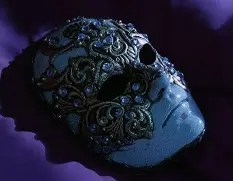
Stanley Kubrick’s final film; Eyes Wide Shut is a cinematic descent into the shadowed corners of intimacy. Adapted from Arthur Schnitzler’s 1926 novella Dream Story, the film follows Dr. Bill Harford (Tom Cruise) as he spirals through a surreal night of jealousy, eroticism and existential unraveling after his wife Alice (Nicole Kidman) confesses a secret fantasy.
What begins as a marital conversation becomes a mashed odyssey – through secret societies, ritualised desire and the fragile illusions of fidelity. Kubrick’s use of colour, symmetry and silence turns New York into a dreamscape, where every hallway leads into the psyche.
He didn’t lose his way, he followed a fantasy – and found a mirror
Why It Still Seduces
- Masks & mirrors – Identity is concealed, distorted and performed.
- Christmas as irony – The film’s festive backdrop contrasts as its emotional chill.
- Eroticism as inquiry – Desire isn’t just physical – it’s philosophical.
- Kubrick’s final cut – Delivered just days after his death, the film remains one of cinema’s most enigmatic farewells.
 Ronin Cinema