

A fairytale for the forgotten. A labyrinth of grief, resistance and wander

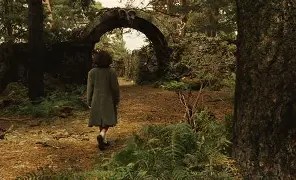
Guillermo del Toro’s Pan’s Labyrinth isn’t just a dark fantasy – it’s a cinematic elegy. Set in post-civil war Spain, the film follows Ofelia, a young girl caught between fascist brutality and a mythical underworld. Her journey through the labyrinth isn’t escapism, it’s resistance. It’s how she survives what cannot be changed.
The real monsters aren’t the faun or the Pale Man, they’re human. Captain Vidal, Ofelia’s step-father, embodies authoritarian cruelty with surgical precision. And yet, del Toro gives us moss-covered portals, whispered prophecies and a child’s unwavering belief in magic.
Why It Endures
- Dual realities: The film blurs history and myth showing how fantasy can be a form of truth telling.
- Visual language: Gothic textures, candlelit-corridors and creature design that feels ancient and sacred.
- Emotional Core: Ofelia’s trials mirror real-world resistance – obedience is not a virtue, and innocence is not weakness.

She didn’t escape the world, she rewrote it
Styling cues
- Textures: Moss, velvet, rust and bone.
- Symbolic motifs: Keys, chalk, blood and time pieces.
- Lighting as mood: Golden glow vs sterile cold.
Pan’s labyrinth is a reminder that fairytales aren’t childish – they’re coded survival.
It’s a masterclass in emotional framing, mythic storytelling and visual rebellion.
 Ronin Cinema