

One Room. One Shot. One Secret
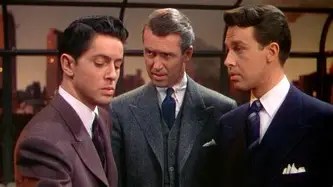
Alfred Hitchcock’s Rope isn’t just a thriller – it’s a cinematic experimentation in tension. Set entirely in a Manhattan apartment and filed to appear , as one continuous take, the film traps it’s audience in real time, turning the frame into a pressure cooker of guilt, arrogance and voyeurism.
Inspired by the real life Leopold and Loeb murder case, Rope explores the dark thrill of intellectual superiority and moral detachment, Brandon and Philip, two former students of Nietzschean philosophy, commit a murder simply to prove they can. Then they host a dinner party – with the body hidden in plain sight.
The camera glides like guilt. The walls close in. And every silence is louder than the last.
Why It Still Stings
- Innovative technique: Hitchcock used long takes and hidden cuts to simulate a single shot, making the audience complicit in the claustrophobia.
- Psychological framing: The apartment becomes a stage, a trap and a confession booth.
- Subtextual tension: Beneath the surface lies coded queerness, philosophical cruelty and post-war anxiety.
Some crimes aren’t committed in darkness. They’re served with cocktails and conversation
Rope remains a masterclass in spatial storytelling – when the frame doesn’t just contain the action, it becomes the tension.
Sometimes the most powerful stories happen in a single room and the most haunting one never leave it.
 Ronin Cinema