

5 Films Where Space Isn’t Just Setting – It’s Story
This week we’re watching the frame itself itself. In these five films, space becomes emotional architecture. Rooms hold secrets. Windows become thresholds. Public spaces turn personal. Whether it’s a single apartment or a sprawling city, the way these stories are framed shapes how we feel them.
Rear Window (1954) Alfred Hitchcock

- Mood: Suspenseful, voyeuristic, morally ambiguous.
- Why it belongs: Hitchcock traps us in one room and turns the act of watching into a psychological thriller. The frame becomes a lens of suspicion, desire and danger.
- Styling cues: Window reflections, binocular overlays, shadow play and silhouette tension.
Sometimes the most dangerous place is the one you never leave
Pariah (2011) Dee Rees

- Mood: Tender, interior, quietly defiant.
- Why it belongs: Dee Rees crafts a coming-of-age story through tight framing and emotional stillness. The camera stays close, letting us feel every shift in identity and self-expression.
- Styling cues: Bedroom corners, mirror shots, colour-coded emotional beats.
Becoming yourself often means hiding first
Son of Saul (2015) Laszlo Nemes
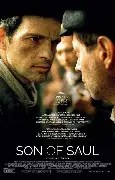
- Mood: Claustrophobic, urgent, ethically raw.
- Why it belongs: Shot in shallow focus, this Holocaust drama forces us into one man’s haunted perspective. The frame doesn’t flinch – it confines, confronts and refuses escape.
- Styling cues: Blurred backgrounds, shoulder-level tracking, sound as spatial tension.
Proximity can be unbearable. That’s why it matters
A Woman Under the Influence (1974) John Cassavetes
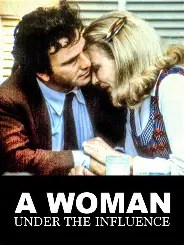
- Mood: Volatile, emotionally exposed, domestic.
- Why it belongs: Cassavetes turns the home into a pressure cooker. The camera lingers, intrudes and observes as Gena Rowlands unravels within the confines of family and expectation.
- Styling cues: Kitchen table framing, long takes with emotional pacing, natural light and handheld realism.
Some breakdowns happen in plain sight. That’s what makes them cinematic
The Florida Project (2017) Sean Baker

- Mood: Colourful, bittersweet, childlike.
- Why it belongs: Told through the eyes of a child living in a budget motel near Disney world, this film captures joy and neglect in equal measure. The frame is playful, but the truth is never far.
- Styling cues: Pastel palettes, wide-angle innocence, playground chaos vs adult stillness.
Wonder and heartbreak can share the same frame
These films remind us that the frame isn’t neutral – it’s emotional. It holds tension, tenderness and truth.
Let this watchlist guide you toward intimacy, spatial storytelling and cinematic empathy.
 Ronin Cinema