

Costume as character arc, wardrobe as emotional language
Fashion in film isn’t just flair – it’s function. It reveals ambition, conceals vulnerability and transforms identity. In these five screen style standouts, clothing becomes a cinematic device: a visual monologue, a moodboard of the soul, a myth stitched in silk and sequins.
Marie Antoinette (2006)
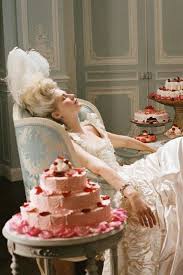
- Style mood: Rococo excess, pastel rebellion
- Narrative thread: Fashion as escapism, identity crisis, aesthetic overload
- Key look: Powdered wigs, corsets and converse sneakers in Versailles
- Why it works: Sofia Coppola uses costume to blur history and pop culture. Style becomes time travel
Carol (2015)
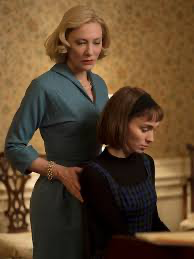
- Style mood: Mid-century elegance, repressed desire
- Narrative thread: Fashion as coded longing, class distinction and emotional restraint
- Key look: Carol’s fur coat and tailored suits, There’s shift from tomboy to muse
- Why it works: Costumes mirror the character’s emotional evolution. Every glove, brooch and silhouettes speaks volumes.
Phantom Thread (2017)

- Style mood: Haute couture, obsession, romantic control
- Narrative thread: Fashion as seduction, manipulation and ritual
- Key look: Alma’s fitting scenes, Reynold’s structured suits and the poisoned tea dress
- Why it works: Clothing is power, intimacy and tension. The act of dressing becomes a psychological game.
Breakfast at Tiffany’s (1961)

- Style mood: Urban elegance, curated persona
- Narrative thread: Fashion as self-invention and emotional camouflage
- Key look: Holly Golightly’s Givenchy dress, pearls and oversized glasses
- Why it works: Holly’s wardrobe is aspirational armour – style as survival, sophistication as shield.
Bonnie and Clyde (1967)
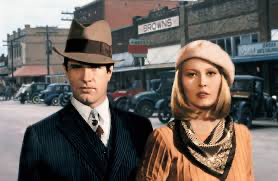
- Style mood: Depression-era chic, outlaw glamour
- Narrative thread: Fashion as rebellion, romance and myth-making
- Key look: Bonnie’s beret, neck scarf and pencil skirt
- Why it works: Their coordinated looks turn crime into iconography. Style becomes legacy – danger dressed in elegance.
In these films, fashion isn’t background, it’s foreground. It shapes arc, signals shifts and turns characters into icons. Whether it’s a well placed beret or a sequinned gown, style on screen is how cinema speaks in silence.
 Ronin Cinema